How It Works
Social-Emotional Capacity with Digitability's Social Economy
Connecting Choices to Real-World Outcomes
Students practice self-regulation, communication, problem-solving, and decision-making through real-world routines that help them understand how choices affect school, work, relationships, money, and independence.
Workplace behavior.
Financial skills.
Everyday practice.
Digitability’s Social Economy brings evidence-based practices into daily routines to teach self-advocacy, social skills, self-regulation, and problem-solving in the workplace.
At the same time, students build financial literacy by paying bills and maintaining a budget with virtual currency and Bankability’s online banking system.
With differentiated implementation pathways, educators connect self-awareness, behavioral regulation, and decision-making to the skills students need for school, work, and life.
From Everyday Practice to Greater Independence
Workplace Culture & Classroom Economy
Build positive routines through earning, saving, and spending.
- Earning and Spending
- Motivation
- Socialization


Workplace Boundaries & Self-Regulation
Recognize behavior patterns and practice strategies that help.
- Personal Budgeting
- Executive Functions
- Self-regulation


Workplace Policies & Action Plans
Use Performance Reviews to build an Action Plan for growth.
- Performance Review
- Empowerment
- Self-Efficacy


Workplace Advocacy & Portfolio Development
Identify strengths, plan next steps, and ask for needed supports.
- Long-term Planning
- Perseverance
- Self-Advocacy Plan


One framework. Different goals. Greater independence.
One School. Different Classrooms. The Right Support for Each.
Bring a shared approach to workplace behavior and financial skills across your school. Each teacher can tailor the resources, pace, and implementation pathway to their students, goals, available time, and classroom routines.
Differentiated Resources
Every lesson includes three tiers of adaptations and response options, so students can work toward the same goal with the support they need.
Independent
Students brainstorm and write their own ideas.
Supported
Students use a checklist and sentence starters.
Modified
Yes/no questions with Image Exchange Cards or Trace ’n’ Learn.
Four Flexible Pathways
Start with daily routines or build toward deeper instruction and work experiences. Choose the pathway that fits your students, schedule, and goals.
Bankability
PBIS
Reinforce positive behavior through earning, saving, and spending routines.
Practice throughout the dayBankability
PBIS+
Add short, differentiated activities that connect behavior and financial decisions.
Build on classroom routinesBankability
Life Skills
Use dedicated instructional time to teach financial literacy and everyday decision-making.
Go deeper with instructionDigitability
Bring skills together through work experiences, student roles, and portfolio development.
Apply skills through projectsStart where each classroom is. Build a personalized scope and expand with implementation coaching as needs evolve.
What Students Practice
Each skill is taught through workplace language, classroom routines, reflection, and real-world decision-making.
Time-On-Task
Students practice staying focused, completing work, and understanding how attention impacts productivity.
Following Directions
Students connect listening, processing, and task completion to workplace expectations.
Impulse Control
Students learn to pause, reflect, wait, and choose replacement strategies before reacting.
Communication
Students practice expressive and receptive language through workplace scenarios and guided discussion.
Anxiety & Confidence
Predictable routines and repeated practice help students build confidence in a safe environment.
Self-Advocacy
Students learn to ask for help, identify strategies, communicate needs, and reflect on progress.
How the Model Works
Connect clear expectations, guided practice, and reflection to growth over time.
Define
Students learn what the behavior looks like in school and work.
Practice
Students role-play and rehearse workplace-ready responses.
Earn
Positive workplace behaviors are reinforced through Bankability.
Reflect
Students review choices, outcomes, earnings, and strategies.
Grow
Students set goals and build independence over time.
Bring a Real-World, Inclusive PBIS Tool to Your School
Connect positive behavior supports, workplace readiness, and financial skills through an integrated experience with differentiated supports for your students.
Build a plan for your classrooms.
Tell us about your students and goals. We’ll help you find the implementation pathway and pricing that fit your program.
What Are Some Common Workplace Social Skills?
Through daily participation in the Social Economy, students develop skills such as:
- Following Directions
- Self-Regulation
- Flexible Thinking
- Problem Solving
- Accepting Feedback
- Communication
- Self-Advocacy
- Accountability
- Workplace Readiness
Streamlining the Best, Evidence-Based Practices
Teachers who are trained in Digitability's Social Economy are empowered with research-based practices, without the need for more schooling or additional training.
Digitability's one-of-a-kind training and coaching helps teachers with all levels of teaching experience apply these practices simply and efficiently.
How Does Digitability's Social Economy Empower Students?
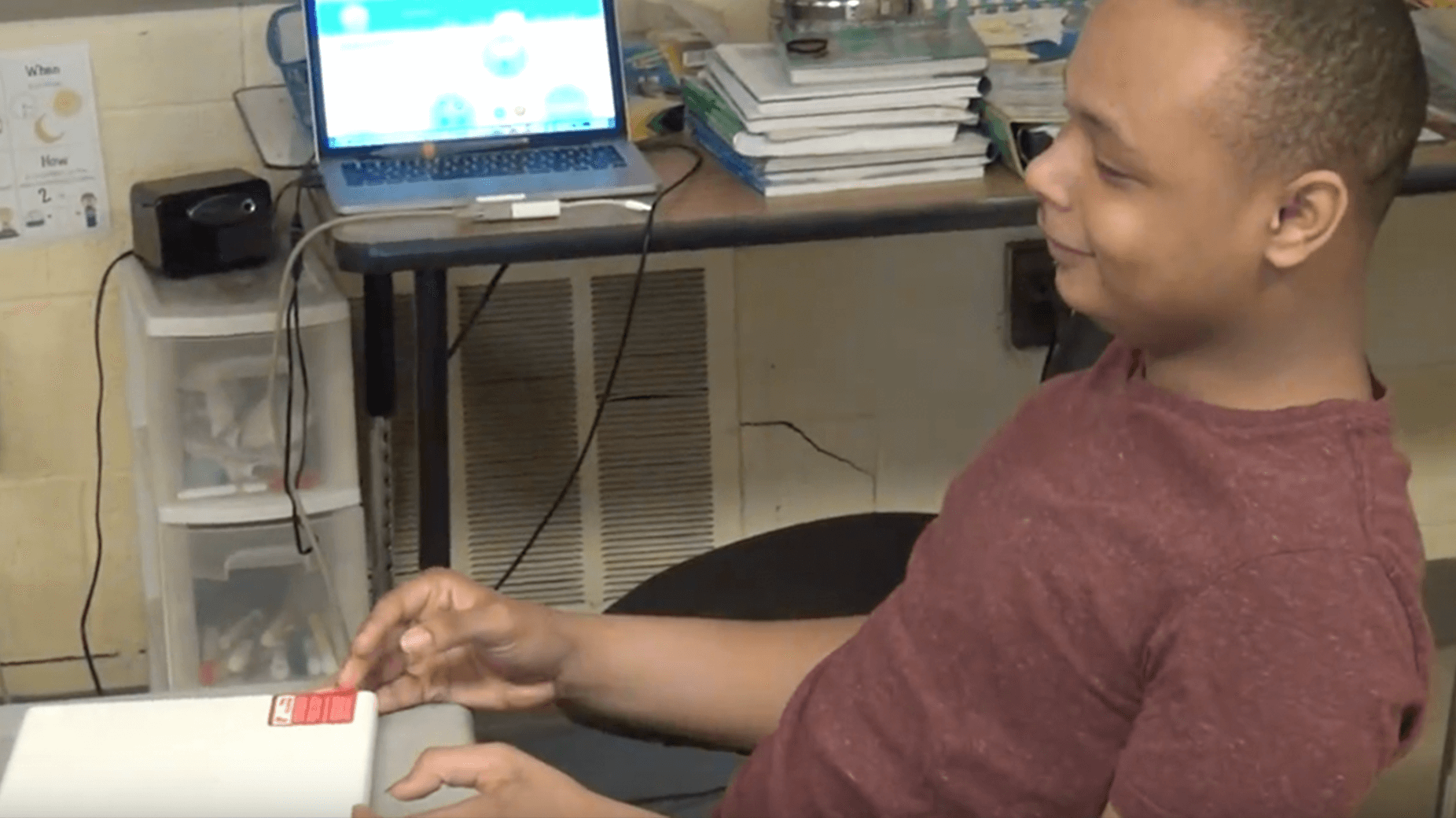
Students access technology to create media for their ideas and completed workplace tasks.
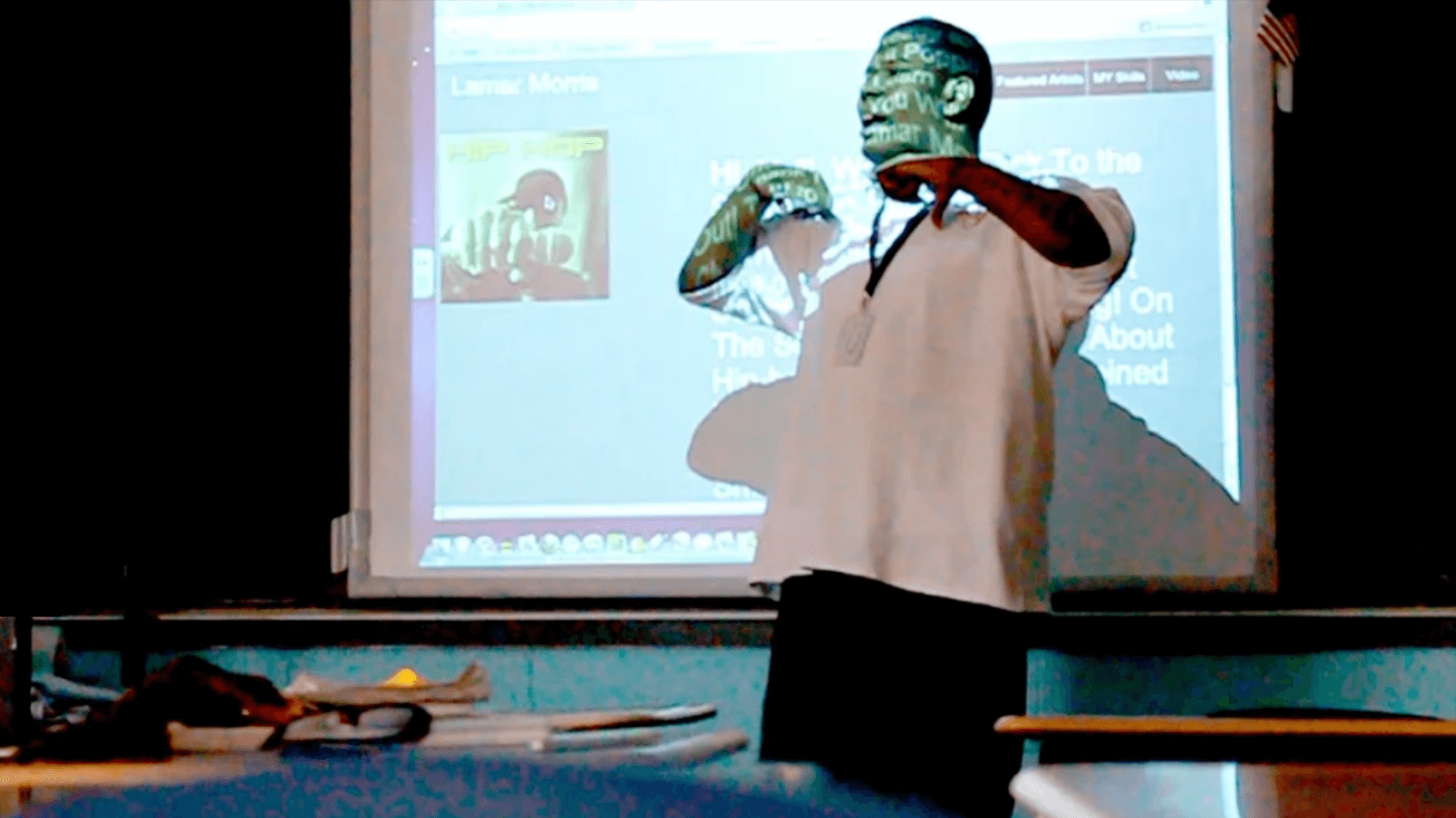
Students build confidence and self-efficacy by presenting their work and interpreting questions and feedback.
Students practice and internalize the ability to self-advocate and interview.
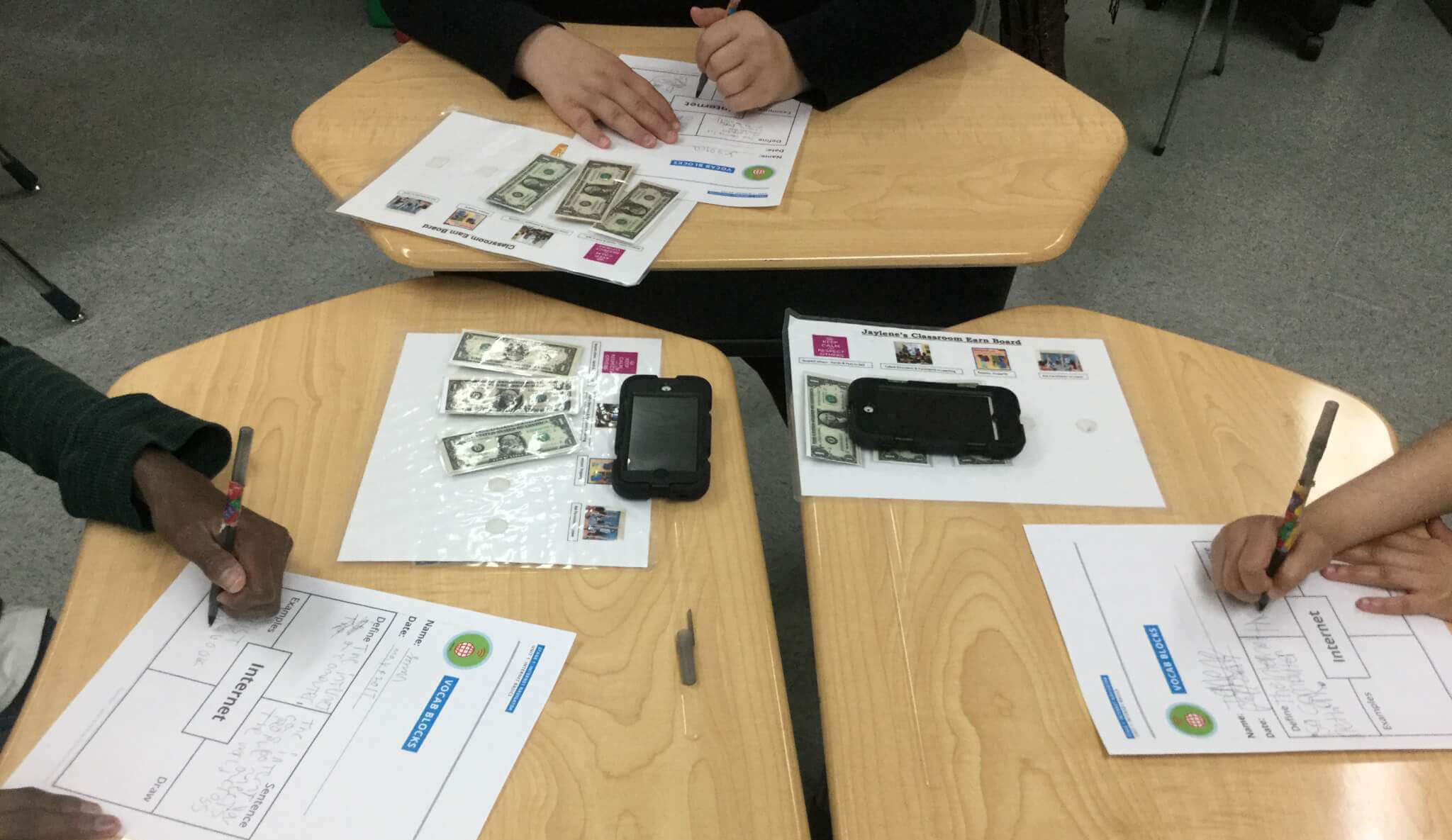
Teaching Boundaries and Social Skills for the Workplace, Along with Financial Literacy.
Simultaneously, students develop financial literacy while managing their earnings and classroom budget. Teachers use the Digitability Social Economy to monitor progress and measure outcomes.
Through Bankability's virtual banking platform, students earn classroom dollars for demonstrating workplace behaviors, receive paychecks, manage bank accounts, set financial goals, pay bills, and make spending decisions.
These financial routines transform abstract behavior lessons into meaningful learning experiences. Students don't simply hear about accountability—they experience it.
While these dollars are not legal U.S. currency, their real value lies in the skills they teach students. Students learn to interact within a real economy by paying bills for desk rent, internet use, and gym membership, as well as buy privileges like snacks and preferred activity time.
As students progress, their financial choices become opportunities to practice planning, budgeting, self-regulation, problem-solving, and decision-making in a safe and supportive environment.
The goal isn't to teach money.
The goal is to use money as a tool to teach independence, accountability, workplace readiness, and the life skills students need to thrive beyond the classroom.
The Social Economy provides the framework. Bankability provides the experience.